
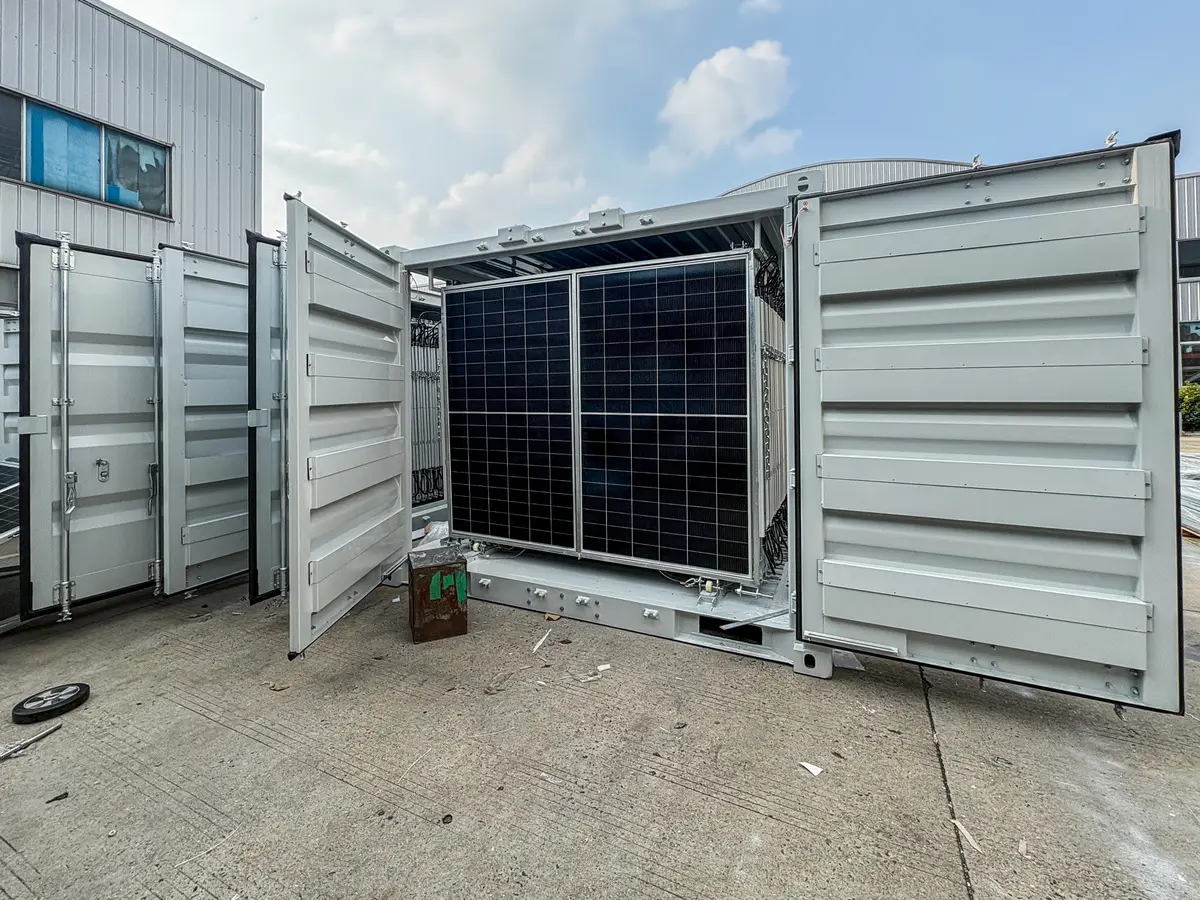
The easiest off grid power solution available today is plug-and-play solar and battery solutions, especially mobile solar container units that have everything in one package.
What Makes an Off Grid Power Solution “Easy”?
You see, not all off grid solutions are created equal. While some solutions require weeks of installation and engineering, others are plug-and-play solutions that require almost zero setup time.
What makes an off grid solution easy is that it:
- Doesn’t require much installation (no wiring and engineering headaches)
- Has everything in one package (no separate battery, inverter, and solar panel units)
- Is expandable (in case your energy requirements change)
- Has low maintenance requirements
- Can be deployed quickly (hours, not weeks)
The traditional solution fails on at least two of these areas.
Comparing Common Off Grid Power Options
Here’s a brief comparison of common off grid solutions:
| Solution Type | Setup Time | Technical Skill Required | Maintenance | Reliability | Best For |
|---|---|---|---|---|---|
| Diesel Generator | Very Fast | Low | High | Medium | Short-term backup |
| DIY Solar System | Slow | High | Medium | High | Experienced users |
| Solar Generator (Portable) | Fast | Very Low | Low | Medium | Small loads |
| Mobile Solar Container | Fast | Very Low | Low | Very High | Industrial & remote sites |
From experience, the majority of users begin with the diesel generator as they are easy to set up but soon get frustrated with the ongoing costs and noise. DIY solar systems are also very appealing until the complexity of the installation becomes overwhelming.
Why Mobile Solar Containers Are the Simplest Solution
In the past few years, mobile solar container systems have emerged as the easiest way to achieve off-grid power. Essentially, they are pre-engineered systems that include:
- Foldable solar panels
- Battery storage system (LiFePO4)
- Inverter system with control system
- Plug and play output interfaces
Key Advantages
- No on-site engineering required
Everything is pre-configured – no need to select components or worry about the design. - Rapid deployment
Most systems can be deployed within a few hours of delivery. - All-in-one system
No need to purchase each component separately. - Transportable
Systems are installed within shipping containers. - Weather protected
All components are protected from the elements.
Real-World Use Cases
From my experience with off-grid projects, the biggest change has been with commercial/remote projects.
Case 1: Construction Site in Remote Area
The contractor needed power for equipment and office.
Previous Solution: Diesel Generators
Problems: Fuel Logistics, High Operating Cost, Downtime
Current Solution: Mobile Solar Container
Benefits: No fuel costs, no noise complaints, system paid back in less than 2 years
Case 2: Emergency Power Deployment
When it comes to disaster relief, time is of the essence.
Mobile solar containers are being utilized because:
- Quickly shipped to location
- No fuel supply chain required
- Continuous power supply
How Much Power Do You Actually Need?
The easiest solution also depends on getting this part right.
Here’s a basic guide:
| Application Type | Daily Energy Use | Recommended System Size |
|---|---|---|
| Small cabin | 3–5 kWh | Portable solar system |
| Farm / rural home | 10–20 kWh | Hybrid solar system |
| Construction site | 50–200 kWh | Solar container system |
| Industrial operation | 200+ kWh | Large containerized BESS |
Most people tend to underestimate their energy requirements. A system that is too small is frustrating, even if it is easy to set up.
Key Components Explained (In Simple Terms)
While we have established that it is easier to set up a solar power system using a mobile solar container, it is still helpful to know a little bit about each component.
- Solar Panels: These capture sunlight and produce electricity
- Battery Storage: These store energy for use when the sun is not shining
- Inverter (PCS): These change DC power to usable power
- Energy Management System (EMS): These control and optimize power output
These three components are pre-integrated in a mobile solar container system, which is why it is so much easier to set up.
The Importance of LiFePO4 Batteries
LiFePO4 batteries are the de facto choice in modern off-grid configurations—and with good reason:
- Long-lasting: up to 4000-6000 charging cycles.
- Relatively safe compared to other Lithium-based chemistries.
- Resistant to extreme temperatures.
This means less maintenance and replacement over the long run.
When the Simple Solar Generator Isn’t Enough
A solar-powered generator is the perfect choice for small-scale operations. It is convenient and can handle small energy requirements. However, as the energy requirements increase, the solar-powered generator becomes less effective due to the following:
- It cannot handle heavy-duty operations.
- It cannot support the energy requirements of multiple buildings.
- It cannot provide constant power.
This is when the containerized system is needed.
Practical Advice Before You Decide
If you want the simplest off-grid system, consider the following:
- Energy requirements should be based on facts, not assumptions.
- It is not always the best idea to over-design the system yourself.
- Mobility and expandability should always be considered.
- Cost of ownership should always be considered.
It is easy to get caught up in the cheapest system available and end up replacing it within the next year.
Final Thought
It is not just the simplicity of the system that matters but also the integration.
This is the reason why the popularity of mobile folding solar containers is rising.
It offers the simplicity needed to overcome the technical challenges involved in off-grid systems.
This is especially true in today’s world where the importance of energy independence increases by the day.