
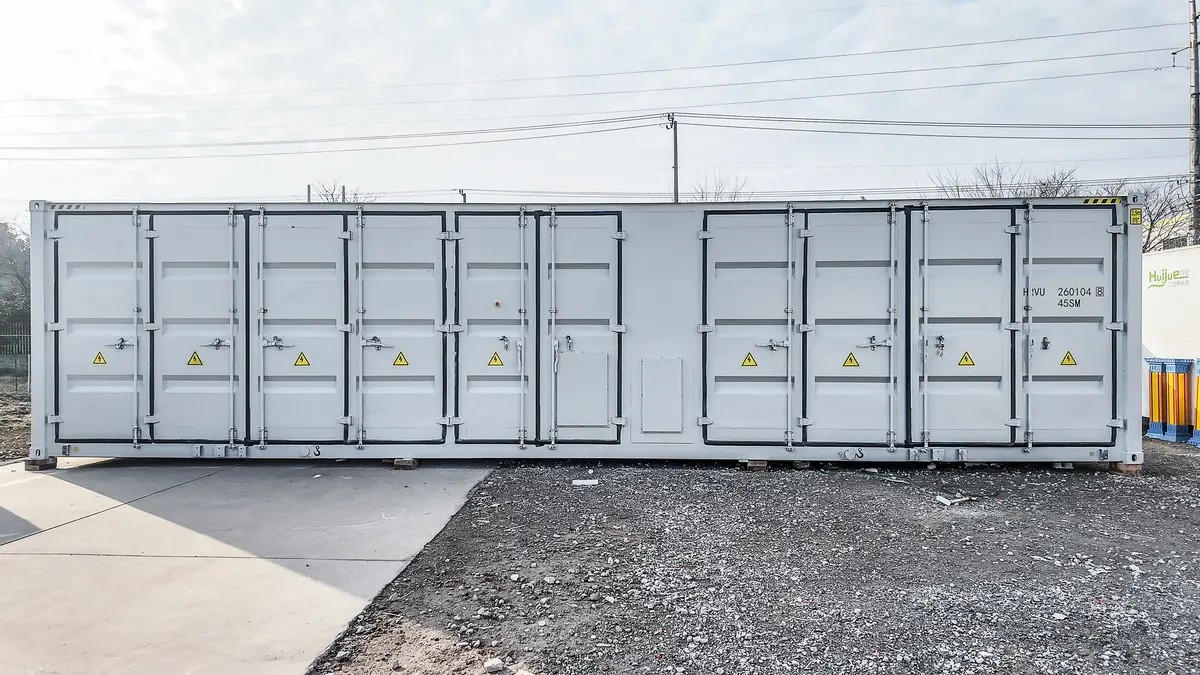
A PV container is a container in which photovoltaic (PV) system components are incorporated, thus providing mobility. A PV container comprises panels, mountings, wiring system, batteries, among other parts. The main benefit of PV container is that it provides readily available mobile solar power generation systems, which can be easily transported and set up at any desired location.
As the demand for renewable energy increases, the use of PV container in construction sites, mining, disaster relief work, military bases, and remote locations becomes highly appealing.
How Does a PV Container Work?
As can be seen from its outward appearance, a PV container does not look different from an ordinary shipping container. But within its frame and on its outside, all equipment needed for solar power production will be integrated.
These include:
- Solar PV panels
- Deployable mounting systems
- Inverters
- Combiner box units
- Monitoring systems
- Batteries (if present)
- Power management system
After delivery, the solar panels are ready to be unfurled or placed around the container. These capture the sun's energy, which is then converted into power by the inverter. When batteries are present, surplus energy is stored there for night-time consumption.
This arrangement means that the system can be transported using regular shipping facilities.
Types of PV Containers
Not all solar container systems are built for the same types of uses. Typically, there are three basic types of them.
1. Portable Solar Power Containers
These systems feature fast installation and portability options. Panels are installed in just a few hours, which makes it possible to utilize this technology in temporary projects.
Examples include:
- Construction sites
- Disaster relief operations
- Fairs and other events
- Militarily-related operations
2. Solar Power Container with Batteries
This type of technology includes both photovoltaic installations and energy storage devices in the form of batteries.
Advantages are:
- Constant power supply
- Fewer uses of diesel generators
- Energy independence
- Grid stabilization
Currently, lithium iron phosphate (LiFePO4) batteries are widely used because of their cycle life and reliability.
3. Hybrid Solar Power Containers
The main idea behind this system is to incorporate photovoltaics, energy storage, and generator support.
Typical users include:
- Mining projects in remote locations
- Telecommunication centers
- Small island communities
- Infrastructure development projects
Advantages of PV Containers
The success of PV containers has been well-deserved as there are many problems that PV containers have solved for traditional solar energy systems.
Quick Deployment
It can take many months to design and install a traditional solar farm, whereas PV containers could become functional within just one day.
Simple Transporting
Transportation becomes much easier due to the compact size and modular nature of PV containers.
Reduced Installation Costs
Because all of the modules have already been assembled beforehand, the need for on-site construction becomes minimized.
Scalability
As energy needs grow, PV containers may be added to an existing system.
Sustainable Energy Production
PV containers contribute to sustainable energy production by reducing dependence on non-renewable resources.
Typical Power Capacities
The capacity of a PV container varies significantly depending on design requirements.
| Container Type | Solar Capacity | Battery Capacity |
|---|---|---|
| Small Mobile Unit | 10–30 kW | 20–100 kWh |
| Medium Commercial Unit | 30–100 kW | 100–500 kWh |
| Large Industrial Unit | 100–500 kW+ | 500 kWh–2 MWh+ |
Some advanced solar containers can deploy hundreds of square meters of solar modules while remaining transportable.
Real-World Uses
Mining Operations from a Distance
Mine operators commonly use diesel generators for remote mining operations. Diesel fuel transport may be an expensive aspect of operations.
The PV container cuts down diesel fuel usage by 30%-70%, based on the amount of sunlight available.
Disaster Assistance
Following natural catastrophes, electrical systems may become disrupted. Mobile solar containers would supply quick electricity to:
- Hospitals
- Temporary shelters
- Communications
- Water treatment machinery
- Telecommunications services
Telecom towers that operate in distant places need dependable electricity. Solar containers would prove helpful in this regard.
Rural Electrification
Not all areas around the globe have reliable electricity supplied through their grids. Solar containers can supply clean electricity with minimal infrastructure.
PV Container vs Traditional Solar Installation
| Feature | PV Container | Traditional Solar System |
|---|---|---|
| Mobility | High | Fixed |
| Deployment Time | Hours to Days | Weeks to Months |
| Transportability | Excellent | Limited |
| Expansion Flexibility | High | Moderate |
| Site Preparation | Minimal | Often Extensive |
| Ideal for Remote Locations | Yes | Sometimes |
While traditional solar plants remain the best choice for permanent large-scale projects, PV containers offer unmatched flexibility for mobile and remote applications.
Important Factors for Selecting a PV Container
Prior to acquiring a PV container, there are a number of factors which need to be considered, including:
- Power requirement demands
- Energy usage requirements per day
- Installation space available
- Battery storage requirements
- Climate
- Limits for transportation
- Future expansion considerations
The error that I have found in a number of off-grid systems is basing a decision on power requirements alone. Energy usage throughout the day is also an important factor. Proper battery capacity will determine if everything functions during inclement weather or at night.
PV Containers – Future Developments
PV containers are constantly developing. A number of trends are affecting future innovations:
- More efficient solar panels
- Bigger LiFePO4 battery arrays
- Smarter energy management systems
- AI-driven system diagnostics
- Plug & play installation
- Compatibility with microgrids
According to industry forecasts, mobile solar power plants will be more in demand in the construction, military, mining and humanitarian industries in the coming decade.
With the advancement of renewable energy technologies, PV containers become more effective, more compact and quicker to install. Their capability to provide dependable power at any location is what makes them one of the most useful inventions today.