
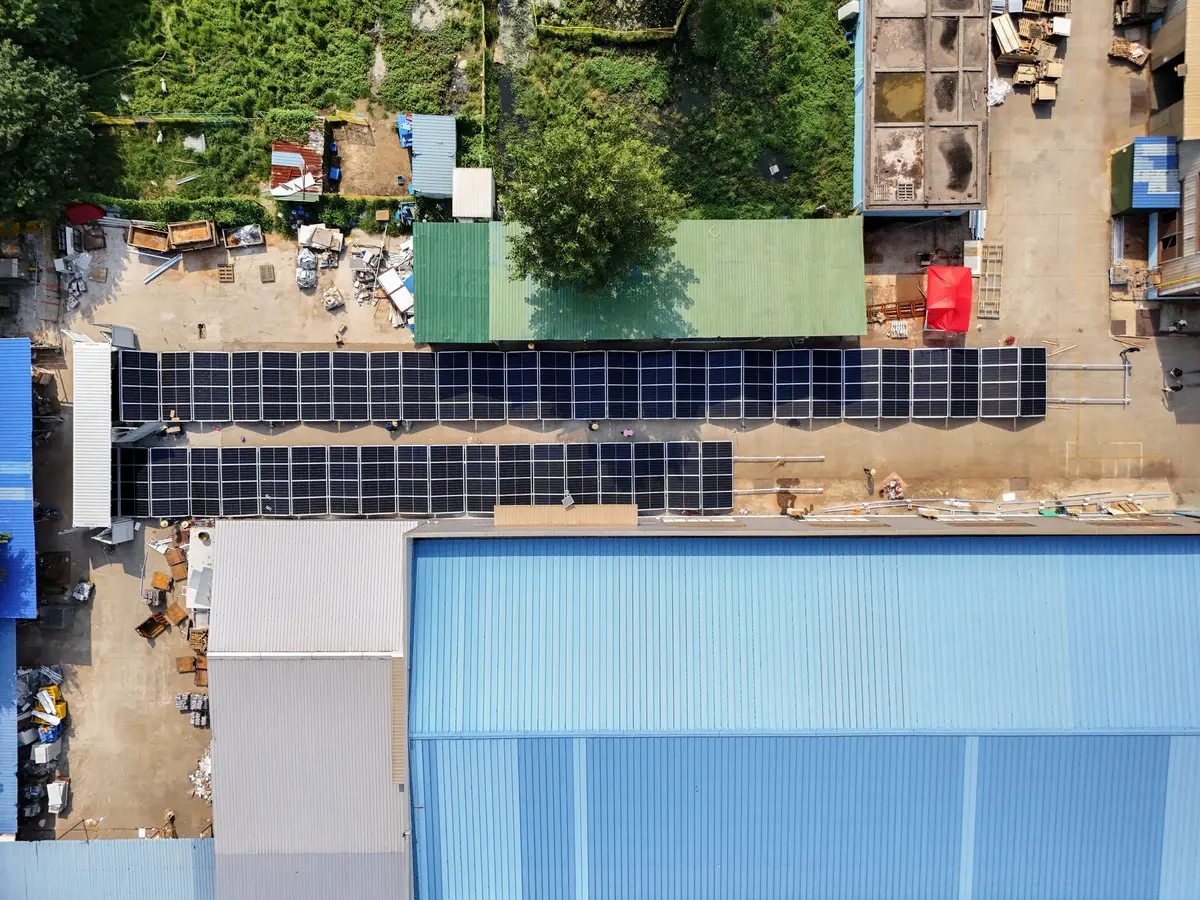
Portable solar panels and power solutions can provide reliable electricity almost anywhere, but the right system depends on the application. For commercial sites, industrial facilities, emergency response, mining operations, and communities with unstable grids, large-scale portable solar power systems deliver far more energy than consumer-grade portable panels. They reduce diesel consumption, improve energy security, and can continue operating for years with relatively low maintenance.
Why Portable Solar Power Is Becoming More Important
Reliable electricity is no longer guaranteed in many parts of the world. Extreme weather, aging grid infrastructure, rising fuel prices, and remote construction projects all increase the demand for independent power generation.
According to the International Energy Agency (IEA), renewable energy is expected to become the world's largest source of electricity generation during this decade, with solar PV leading most new capacity additions. This reflects not only environmental goals but also the growing need for flexible and cost-effective power systems.
For businesses, portable solar solutions offer several advantages:
- Lower operating costs over time
- Reduced dependence on diesel generators
- Faster deployment than permanent solar installations
- Lower carbon emissions
- Improved power reliability in remote locations
Instead of waiting months for grid expansion, many organizations can deploy portable solar systems within days.
Not All Portable Solar Panels Are the Same
When people hear "portable solar panels," they often think of lightweight folding panels used for camping. Those products certainly have their place, but they are designed for charging small electronics or supplying a few hundred watts.
Commercial users typically require an entirely different class of portable solar solution.
| Application | Typical Power Range | Recommended Solution |
| Camping & outdoor recreation | 100–400 W | Small folding solar panels |
| RVs and tiny cabins | 400 W–2 kW | Portable panel kits with battery |
| Villas & residential backup | 3–20 kW | Rooftop solar system with energy storage |
| Construction sites | 20–200 kW | Mobile solar power systems |
| Mining & oil fields | 100 kW–MW scale | Large portable solar power stations |
| Communities & industrial parks | MW scale | Mobile folding solar container systems |
This distinction is important because choosing an undersized system often leads to disappointing performance.
Commercial Portable Solar Solutions Deliver More Than Electricity
For industrial applications, electricity is only part of the equation.
Many customers also want:
- Rapid deployment
- Easy transportation
- Scalability
- Hybrid operation with batteries or generators
- Remote monitoring
- Low maintenance
Large portable solar systems are designed with these priorities in mind. Instead of installing fixed solar arrays across large areas, organizations can relocate the power system as project requirements change.
This flexibility is especially valuable for temporary worksites or emergency projects.
Industries That Benefit the Most
Portable commercial solar power is now widely used across multiple industries.
Construction Projects
Construction sites often require temporary electricity for offices, lighting, security systems, and equipment. Diesel generators remain common, but fuel logistics and maintenance costs continue to increase.
Portable solar systems can significantly reduce generator runtime while lowering fuel expenses.
Mining Operations
Many mining sites operate hundreds of kilometers from the nearest utility grid.
Hybrid solar systems can supply daytime electricity while battery storage and generators ensure continuous operation during nighttime or poor weather.
Telecommunications
Telecom base stations require uninterrupted power.
Portable solar power systems combined with battery storage help operators maintain network availability while reducing fuel transportation costs for remote sites.
From my experience working with telecom energy projects, reducing diesel generator operating hours often becomes one of the biggest priorities. Even a moderate reduction in fuel consumption can create substantial savings across dozens or hundreds of remote sites.
Emergency Response
Natural disasters frequently damage electrical infrastructure.
Portable solar systems can quickly restore power for:
- Medical facilities
- Emergency shelters
- Communication centers
- Water treatment equipment
- Temporary command centers
Unlike diesel generators, solar systems require no fuel deliveries during operation.
Portable Solar Power Can Support Entire Communities
One misconception is that portable solar systems are only suitable for small loads.
Modern commercial systems are capable of powering much larger applications.
For example, mobile folding solar container systems can generate hundreds of kilowatts—or even several megawatts when multiple units are deployed together. Combined with battery energy storage, they can provide electricity for:
- Industrial facilities
- Remote villages
- Island communities
- Disaster relief camps
- Large construction projects
- Temporary events
In regions where grid power is unreliable or unavailable, these systems provide a practical alternative to diesel-only power generation.
Should You Choose Portable or Fixed Solar?
Both approaches have advantages.
Portable Solar Systems
Advantages:
- Fast deployment
- Relocatable
- Minimal civil construction
- Suitable for temporary projects
- Easy expansion
Best for:
- Commercial projects
- Infrastructure construction
- Emergency response
- Mining
- Remote industrial facilities
Fixed Rooftop Solar
Advantages:
- Higher long-term energy production
- Lower installation cost per watt
- Permanent infrastructure
- Better use of existing buildings
Best for:
- Factories
- Warehouses
- Office buildings
- Residential villas
For most households, portable commercial solar systems are unnecessary because they require considerable space. Balcony solar systems or rooftop solar installations are usually much more practical for residential users. That said, if a homeowner has a large property or specialized backup power requirements, customized residential solar and storage solutions are also available.
Key Factors When Selecting a Commercial Portable Solar Solution
Before investing, evaluate several technical considerations.
- Power demand – Calculate peak and daily energy consumption.
- Battery capacity – Determine how many hours of backup power are required.
- Deployment time – Some systems become operational within only a few hours.
- Transportation requirements – Consider road access and project mobility.
- Weather resistance – Ensure reliable operation in harsh environments.
- Hybrid compatibility – Confirm integration with batteries, diesel generators, or the utility grid.
- Remote monitoring – Intelligent monitoring simplifies maintenance and fault detection.
A properly sized system delivers better performance and lower lifecycle costs than simply choosing the largest available option.
Looking Ahead
Portable solar panels and power solutions have evolved far beyond small consumer products. Today's commercial systems can provide dependable electricity for industries, infrastructure projects, emergency operations, and even entire communities.
As solar modules, battery storage, and intelligent energy management continue to improve, portable commercial solar will become an increasingly practical alternative wherever grid power is limited or diesel generation is expensive.
At LZY Energy, our primary focus is commercial and industrial mobile solar power solutions, particularly large folding solar container systems that can be rapidly deployed for high-capacity power generation. These systems are designed for customers who need reliable, scalable energy in demanding environments. We also provide customized solar solutions for residential projects, including rooftop and balcony solar systems, when those applications are the better fit.