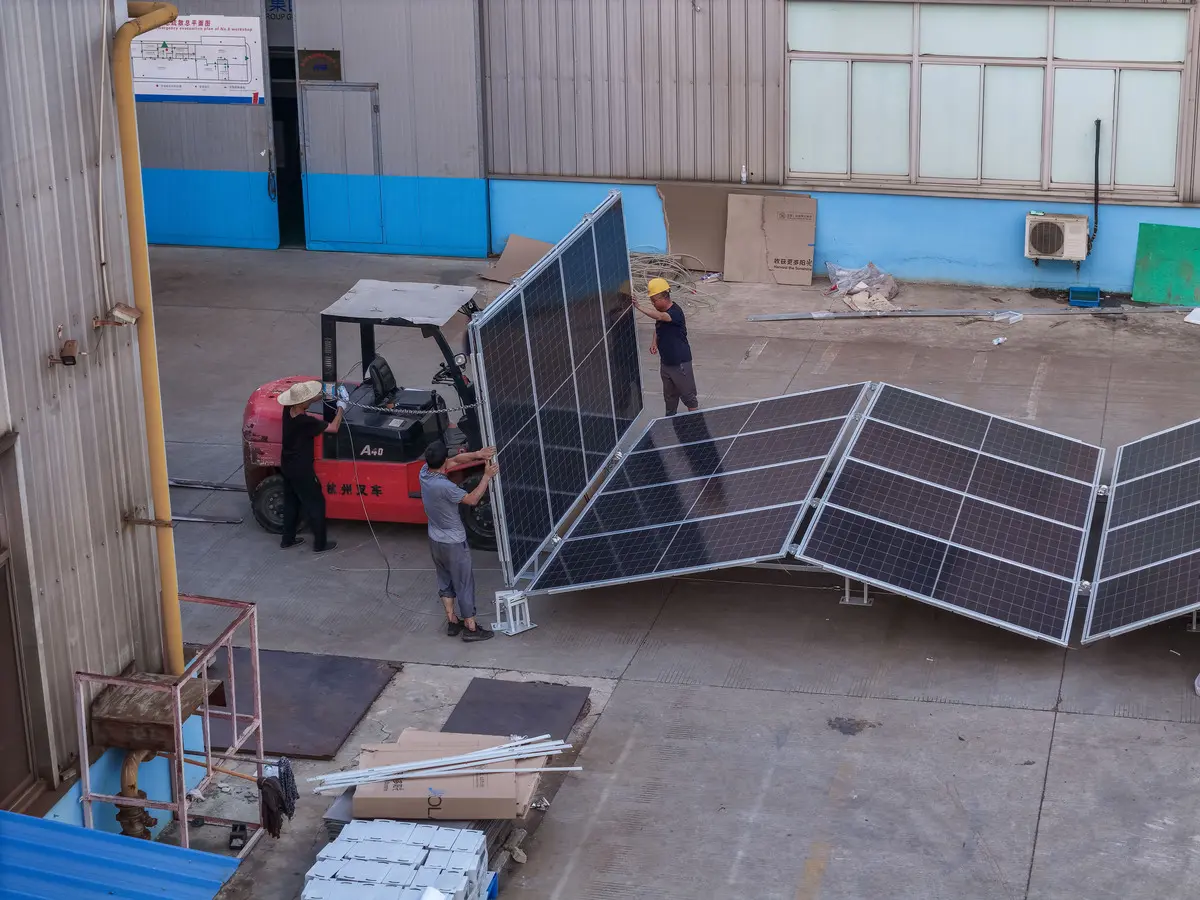
The solar container for disaster areas is a quick and self-sufficient source of energy that can offer uninterrupted electricity in disaster-hit areas where conventional infrastructure has broken down.
Natural disasters such as earthquakes, typhoons, and floods usually result in the immediate shutdown of essential utilities such as electricity. In such scenarios, emergency communications become impossible without electricity, and the lack of power affects the efficiency of disaster response operations. This is when solar containers come into play—serving not as an alternative but as the primary energy source.
What Is a Solar Container?
A solar container is, in essence, a shipping container that has been modified to incorporate:
- Foldable solar panels
- Batteries (LiFePO4)
- Inverter and power management systems
- Output power connections
With a delivery at the disaster site, it takes only a few hours to set up the system. No fueling required, no grid connection needed.
Simplicity is the most significant benefit. Emergency teams do not require any special skills to operate the system.
Why Solar Containers Make Sense in Emergency Areas
The use of diesel generator sets is common in emergency situations. Nevertheless, there are problems with these machines, including:
- Potential interruption of fuel supplies
- High running expenses
- Pollution and noise
- Regular servicing
Here’s why solar container units address the above problems:
1. Quick Installation
- Pre-packaged systems ensure quick assembly
- Panel unfolding through mechanical or hydraulic means
- Production of electricity begins right away
2. Self-Sufficiency in Power Supply
- Does not depend on fuel delivery
- Perfect for areas that cannot be reached
3. Reduced Running Expenses
- Free sunlight source
- Less need for servicing than generator sets
4. Quiet and Pollution-Free
- Absolutely vital for medical camps and shelters
- Non-polluting
A Complete Power Solution: How it Operates
The following is how the process of solar containers works:
- Sunlight captured by solar panels
- Electrical power conversion using inverters
- Energy stored in batteries for nighttime consumption
- Supply to loads (hospitals, shelters, communication systems)
Important Component Breakdown
| Component | Function |
|---|---|
| Solar Panels | Convert sunlight into electricity |
| Battery Storage | Store energy for continuous supply |
| Inverter | Convert DC to AC power |
| EMS (Energy Mgmt) | Optimize system performance |
| Distribution Panel | Deliver electricity to multiple endpoints |
Real-life Scenario Applications
Solar containers have been deployed in different disaster response scenarios:
Emergency Medical Facilities
- Supply power to medical equipment such as ventilators, vaccine refrigerators, and lighting
- Reliable power leads to better patient care
Temporary Shelters
- Provide light, charging, and appliance power
- Increases safety and comfort of displaced people
Communication Facilities
- Keep satellite phones, radios, and internet systems operational
- Vital to coordinate rescue missions
Water Purification Facilities
- Help with pumps and purifiers
- Ensures clean drinking water availability
Case Study: Rapid Response Following Cyclone
Following a devastating cyclone in Southeast Asia, a 20-foot solar container system was quickly mobilized within two days.
Configuration:
| Parameter | Value |
|---|---|
| Solar Capacity | 15 kW |
| Battery Storage | 60 kWh LiFePO4 |
| Daily Energy Output | ~70 kWh |
| Deployment Time | 2 hours |
Benefits:
- Powering a field hospital catering to over 300 patients per day
- Facilitating vaccine storage in refrigerators
- Lowering the use of diesel fuel by more than 90%
From a technical point of view, the most impressive feature was its resilience. In spite of being partially cloudy, the system was able to produce stable power with the help of the battery pack.
Industry Trends and Technological Advancements
Solar containers are advancing rapidly as there is a constant need for energy storage solutions alongside humanitarian considerations.
Important Trends:
- Increasing Battery Density
LiFePO4 batteries have become the norm due to safety and longevity - Advanced Energy Management Systems (EMS)
Artificial intelligence can optimize and balance loads - Hybrid System
A few systems incorporate wind and backup generators - Modular Design
Several solar containers can be interconnected to create microgrids
Choosing the Correct Solar Container
All solar containers are not created equal. Things to keep in mind when looking for a solar container for the disaster area include:
Electricity Requirement
Determine how much load will have to be met (medical equipment, lights, communications)
Take into account peak and backup capacities
Deployment Time
Consider automated or semi-automated panel systems
Battery Capacity
It should provide enough autonomy for 1-2 days
Durability
Weather-proof construction (IP, corrosion resistance)
Transport Ease
Container sizes are standardized (10ft, 20ft, 40ft)
Pro Tip: What Really Counts
On paper, everything looks great. In reality, there are three key things that will help succeed:
- Durability rather than maximum power
Even a slightly smaller system will prove its worth more reliably than any other bigger one - Ease of usage
The environment in the disaster area is unpredictable. It means systems have to be easy to operate - Post-sale services
They may turn out to be very valuable in the remote environment
I believe that most organizations take care of these practical aspects first nowadays.
Conclusion
As climate changes continue, solar container systems have the potential of becoming a must-have in disaster relief operations. Organizations should seriously consider introducing them for their disaster preparedness plans.