
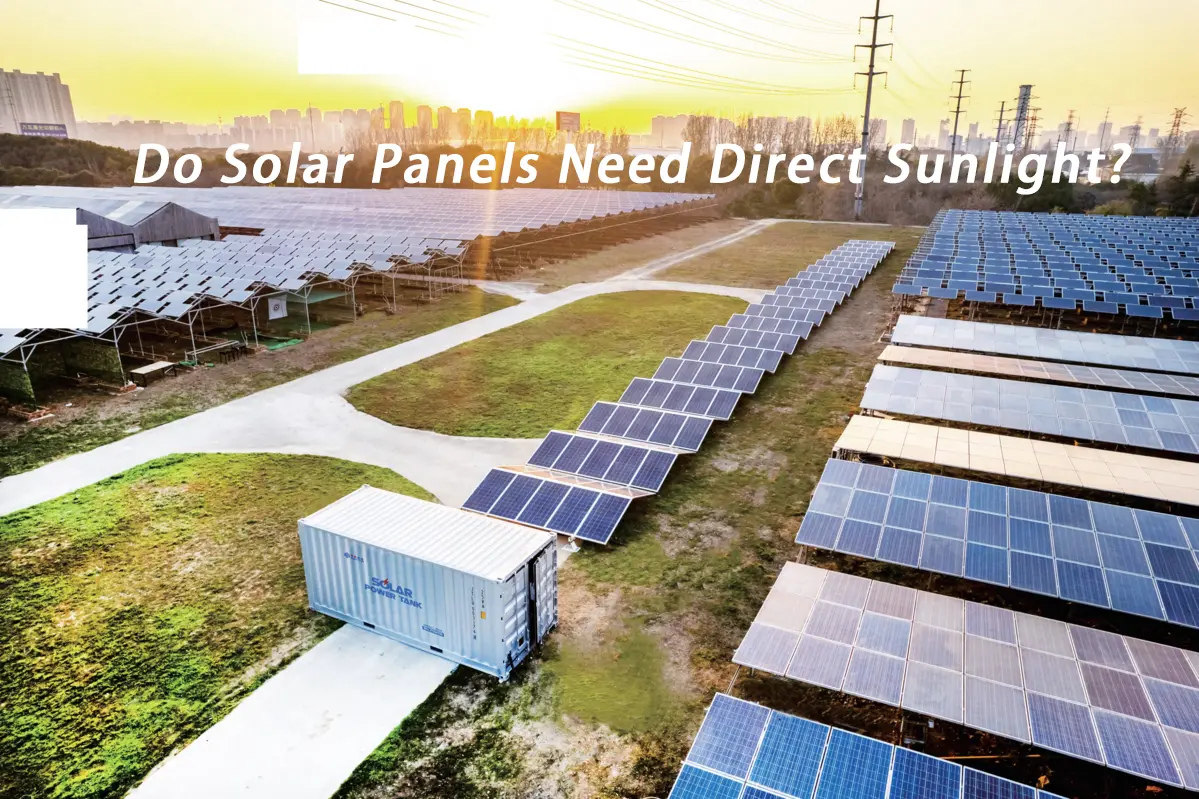
No, it does not. Solar panels do not require direct exposure to sunlight to harness energy. While they work most efficiently under the condition of direct exposure to intense sunshine, they still manage to produce energy under other conditions – such as on cloudy days, in indirect sunshine, and even under light rain. In all cases, the quantity of energy will decrease with the decrease in intensity of the sunlight.
It is among the most prevalent myths concerning solar energy. Modern photovoltaics have improved significantly and now make it possible to harvest energy from both direct and diffuse sunlight. Thus, solar energy continues to be relevant even in less favorable weather conditions.
How Solar Panels Work to Make Electricity
Solar panels turn the sun's rays into electrical energy through the use of photovoltaic cells made of crystalline silicon. When sun hits the cells, energy passes from photons to electrons and this leads to electric current.
The key issue here is that photovoltaic cells react to light and not to heat. A very sunny but cold day can actually produce more electricity than a scorching day because extreme temperatures tend to decrease the efficiency of the panels.
There are two kinds of sun's rays that hit the solar panels:
- Direct sunlight - Sunlight that comes directly from the sun to the solar panel.
- Diffuse sunlight – Light that has been scattered by clouds, water drops, dust or other elements in the air.
Solar panels can use both, however direct sunlight provides much more output.
It has been established by the U.S. Department of Energy and NREL that photovoltaic systems keep producing electricity even on a cloudy day due to the presence of diffuse sunlight.
Power Generated by Solar Panels without the Sun
Though the presence of clouds will affect solar generation, it does not prevent it from happening.
Some examples of solar generation during various weather situations are as follows:
- Clear sunny day: 90%–100% of rated output
- Partly cloudy: 60%–90%
- Overcast conditions: 10%–40%
- Heavy storms: Very limited production
The exact figures will depend on some variables, which include:
- Panel efficiency
- Thickness of clouds
- Time of day
- Orientation of panels
- Location
On the other hand, light clouds have been observed to occasionally enhance solar power generation through what is known as “cloud edge effect.”
Does a Solar Panel Generate Energy on a Cloudy Day?
Yes, definitely.
Even countries where the climate is quite cloudy, like Germany, the UK, and the Netherlands, keep installing significant amounts of solar power plants, which means that solar energy production is financially feasible regardless of consistent sunshine.
The clouds diffuse the light rather than obstructing it. The latest high-efficient mono-silicon panels tend to have an advantage in low-light over outdated technologies, converting the available light better.
If your area has many cloudy days, using high-quality panels with good low-light conversion can increase the energy generation throughout the year.
Can Solar Panels Generate Electricity under the Shade?
Shading is not like cloudy conditions.
Cloud cover affects the light received by the entire panel whereas shading will affect some parts of the panels. The fact that solar cells are arranged in series means that shading even a small part of a single panel may lower the efficiency of the entire panel.
Causes of shading may include:
- Trees
- Chimneys
- Surrounding buildings
- Electricity poles
- Dust or leaves on the surface of the panel
Techniques used in modern systems to minimize the effects of shading include:
- Micro-inverters
- Power optimizers
- Bypass diodes
Does Panel Angle Matter More Than Direct Sunlight?
Certainly, the angle of the panels is extremely important when it comes to obtaining energy.
Despite the great weather conditions, incorrectly installed panels do not allow using their full potential. The solar panels should be directed towards the side where there will be the most sunlight during the day and installed in the right angle based on the latitude.
Fixed roof installations require calculating the angle before installing the panels.
The portable and folding solar panels have an extra benefit since the user can always change the angle of the panels during the day.
For instance, LZY Energy provides its customers with mobile folding solar containers which give an opportunity to use the large folding photovoltaic modules and install them at a certain angle depending on the sun movement.
Based on my personal experience, the vast majority of people pay attention only to the efficiency ratings of the panels but ignore the angles of their installation.
Does Foldable Solar Panel Efficiency Decrease?
This is another frequently asked question.
And the answer is generally no. The process of folding itself does not lower photovoltaic efficiency.
Solar cells in foldable panels are essentially the same as in traditional panels. Their efficiency will not differ significantly as long as panels are completely opened up and get direct sunlight exposure.
In commercial applications, mobile solar container systems use special engineering to fix the position of panels once deployed. The idea of folding just helps improve transportation and installation, but not conversion efficiency of photovoltaic cells themselves.
Thus, foldable solar energy systems can be considered especially appropriate for:
- Construction sites
- Emergency power supply
- Relief efforts
- Military operations
- Telecom base stations in remote locations
- Projects in mining and oil fields
Other Considerations for Solar Panels’ Efficiency
The sun is just one of many considerations that must be taken into account. There are several other variables to consider when assessing the performance of the system.
Panel Quality
Better quality panels usually have:
- Better efficiency rate
- Superior low light conditions
- Lower yearly loss
- Greater longevity
Temperature
In direct opposition to common beliefs, increased heat will not always result in higher efficiency levels. The majority of panels actually get less efficient as their temperatures increase.
Good ventilation under rooftop panels prevents overheating.
Cleanliness
Dust, bird droppings, snow and leaves prevent the light from getting through to the photovoltaic cells.
Cleaning the panels will result in an improvement in efficiency over the course of the year.
System Design
Well designed system is equipped with the appropriate inverters, wiring and monitoring software.
Frequently Asked Questions
Does it snow on solar panels?
Yes, the operation of solar panels continues as long as there is sunlight reaching them in the winter season. The cold weather may even enhance the efficiency of the panels, but the shorter duration of daylight will lower the amount of energy generated.
Are solar panels capable of charging batteries when it’s cloudy?
Yes, only the time of charging increases because less power will be generated. Solar panels coupled with batteries will store any extra energy generated during the day.
Which kind of solar panel operates better in low light?
The monocrystalline solar panel works better than the polycrystalline solar panel in low light conditions.