
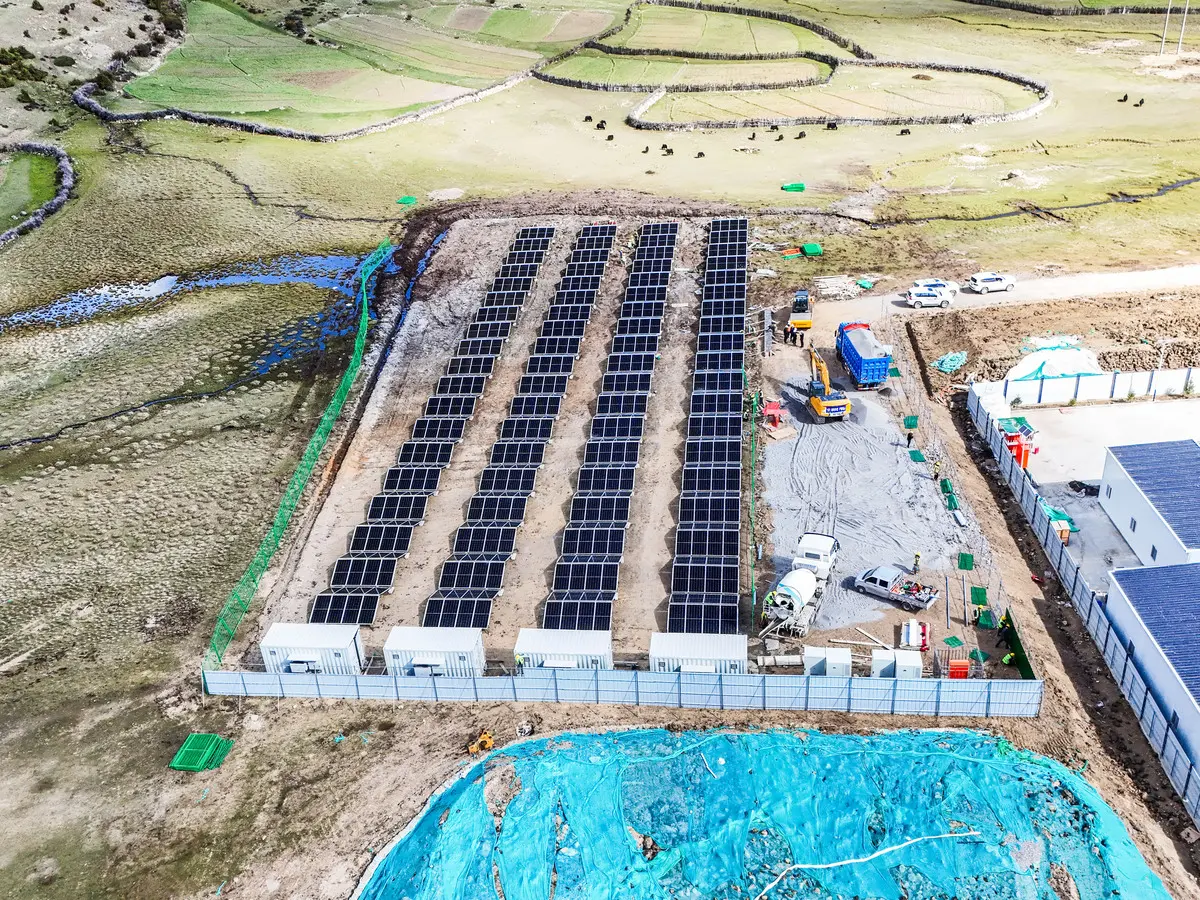
A mobile solar system is a transportable solar power system used to produce solar energy at any location. The main difference between a mobile solar system and a regular solar roof installation is its mobility and ability to deploy at different locations. In the commercial and industrial segment, mobile solar systems include foldable solar containers, trailer-based systems, and portable solar power plants.
Industries operating in remote areas or temporary sites, disaster relief areas, or military bases can use mobile solar systems as an alternative to diesel generators, which will reduce fuel expenses and lower emissions while providing reliable power supply in locations where grid connection is not available.
At LZY Energy, mobile solar systems are primarily produced in the form of foldable solar PV containers.
How does a mobile solar system work?
A mobile solar system operates in the same way that an ordinary solar energy plant does, but with additional features such as mobility and quick set-up.
The typical components consist of:
- Flexible solar panels
- Battery energy storage system (BESS)
- Hybrid inverter
- Intelligent control system
- Container/trailer chassis
- Optional diesel generator
When the container is delivered to the site, the solar panels are automatically deployed. During the day, they capture solar radiation and turn it into electrical energy. Then, the inverter transforms the produced DC current into AC current.
Excess power can be saved in lithium batteries for nighttime consumption.
As a rule, setup takes less than two hours in practical applications instead of weeks or even months in case of ordinary stationary solar power plants.
Why Do Mobile Solar Power Systems Gain Popularity?
There are several sectors that have started switching to mobile solar power systems due to rising fuel costs and environmental restrictions.
Let us highlight the main reasons for the increase in popularity of this type of power supply:
Fast Installation
The construction of traditional power systems involves obtaining permits, doing civil engineering work, and connecting to the electrical grid. The installation of a mobile solar system may take just one day.
This solution is particularly helpful in the following situations:
- Construction sites
- Mining operations
- Emergency situations
- Temporary activities
- Remote telecommunication towers
Lower Running Expenses
A diesel generator uses a lot of fuel and needs regular maintenance. Even though the price of a mobile solar system is initially higher, the cost of running it is much lower.
Energy Independence
In remote areas, the delivery of fuel becomes costly and unreliable. Solar power ensures less dependency on fuel deliveries.
Environmental Advantages
Companies face the need to decrease their carbon footprint. Solar hybridization of diesel generators solves this problem.
Common Types of Mobile Solar Systems
Different applications require different system designs.
| Type | Typical Application | Mobility |
|---|---|---|
| Foldable Solar Container | Industrial & commercial power | High |
| Trailer-Mounted Solar System | Events & emergency backup | Medium |
| Portable Solar Generator | Camping & residential backup | Very High |
| Solar Lighting Tower | Construction & security lighting | Medium |
Mobile Solar Container vs Diesel Generator
Many project managers compare mobile solar systems directly with diesel generators.
Here is a simplified comparison:
| Feature | Mobile Solar System | Diesel Generator |
|---|---|---|
| Fuel Cost | Very low | High |
| Noise | Low | High |
| Maintenance | Low | Frequent |
| Carbon Emissions | Minimal | Significant |
| Deployment Speed | Fast | Fast |
| Long-Term Cost | Lower | Higher |
Based on practice, hybrid solar energy sources function most effectively when used with battery storage. While diesel energy sources remain the only option in cases of very high constant loads, solar energy will significantly decrease fuel usage.
Some mine owners have achieved savings of 40%-70% through combining mobile solar energy sources with hybrid energy sources.
Key Industries Using Mobile Solar Containers
Construction Sites
Construction sites may require temporary electrical supply prior to the connection to the grid. Mobile solar containers can provide electrical supply to:
- Site offices
- Security devices
- Lighting
- Tools and equipment
Mining Industry
In most cases, mining operations are conducted in areas far away from urban centers. Transportation of fuels may itself prove to be an expensive endeavor.
Mobile solar containers can help minimize the reliance on fuels while also providing energy security.
Disaster Response
In situations when hurricanes, earthquakes, or floods strike, the infrastructure supplying electricity may be damaged. Mobile solar containers can provide electricity to:
- Hospitals
- Communication devices
- Water purification plants
Military and Remote Camps
Silent operation and lower fuel logistics make portable solar containers a good choice for military bases and remote camps.
A Typical Mobile Solar Container Configuration
The exact configuration depends on project size, but a standard industrial mobile solar system may include:
| Component | Specification Example |
|---|---|
| Solar Capacity | 60kW–500kW |
| Battery Storage | 100kWh–1MWh |
| Solar Panel Type | Monocrystalline PV |
| Battery Chemistry | LiFePO4 |
| Deployment Method | Hydraulic folding |
| Container Size | 20ft or 40ft |
At LZY Energy, many mobile solar container systems use LiFePO4 batteries because of their longer cycle life, higher safety performance, and lower maintenance requirements.
What Should You Take into Account before Purchasing It?
Selecting an appropriate mobile solar system requires careful consideration.
Demand for Power
The first step is to assess the demand for electricity and peak load.
For instance:
- Illumination systems consume less power.
- Industrial equipment uses hybrid solutions.
Conditions for Transportation
Some areas lack road access. Here, small sizes become crucial.
Conditions for Climate
If temperatures are high, effective heat dissipation will be needed for the battery and inverter.
Energy Storage Capacity
The capacity of the batteries defines how long the system will work without sunlight.
A common oversight is miscalculating power needs at night.
Are Mobile Solar Systems Worthwhile?
Yes, for a wide range of applications that require mobile power sources.
Their economic viability increases significantly when:
- Fuel delivery is expensive
- Systems run for several months or years
- Environmental considerations are relevant
- Noise abatement is a priority
It would be a mistake to see mobile solar systems as an absolute substitute for all energy sources. Nevertheless, mobile solar systems are definitely gaining ground in areas where diesel was used exclusively before.
With further advances in solar panel and battery technologies, mobile solar systems will probably become more compact, efficient, and economical.