
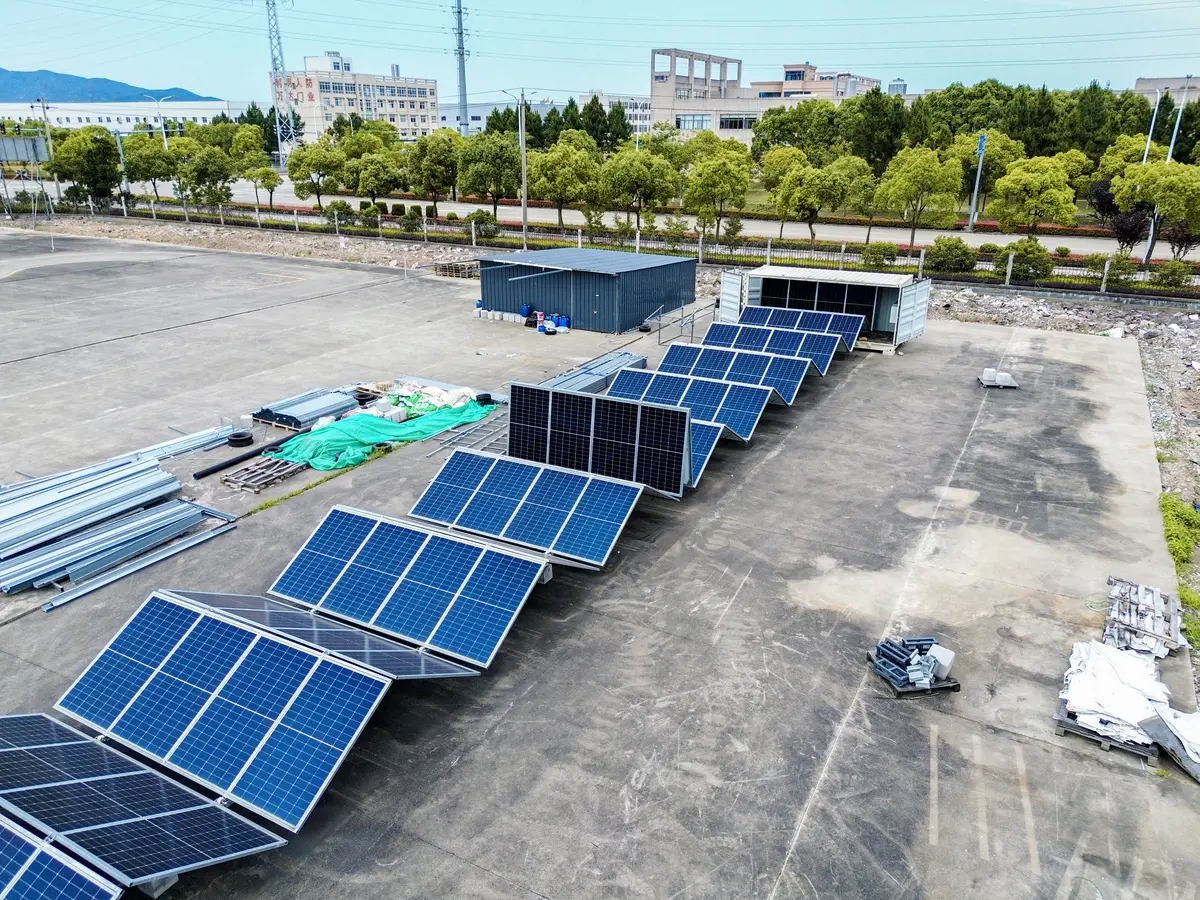
It is crucial to have stable power supply at army bases, considering that it can be difficult, long, and dangerous to transport fuel to such bases in many situations. This is why there has been an increasing trend toward using solar container power stations together with battery backup and generators at military sites. The main advantages of solar container systems include fuel savings, enhanced mobility, and lower noise and heat output.
While conventional generators are still used during military operations, using only generators leads to a number of difficulties. For example, fuel transportation demands people to protect convoys in combat zones. Furthermore, generators emit noise and heat throughout the whole process of operation.
Solar container power systems are able to address many of the issues mentioned above.
Reasons for the Increasing Relevance of Solar Energy to Military Camps
Military camps today utilize much more electricity than was needed some years ago. The communication devices, surveillance systems, portable clinics, water purification systems, and command facilities all need reliable electricity to function effectively.
On another note, military forces seek ways to save costs and become more resilient to energy disruptions.
The typical hybrid solar container system contains:
- Foldable solar panels
- LiFePO4 battery storage
- Hybrid inverter system
- Energy management system
- Diesel generator
Rather than substituting conventional generators, solar-powered systems operate in coordination with generators, hence saving on fuel.
In most cases, solar energy provides sufficient energy during the day, whereas batteries supply electricity at night. Generators run if more energy is required.
Decreased Dependence on Fuel Enhances Logistics
The most significant benefit associated with using solar-powered containers lies in decreased dependence on fuel.
Fuel deliveries are costly and risky to carry out. Each fuel delivery mission involves logistics, personnel, equipment, and route planning. During missions in isolated areas, a little reduction in diesel consumption can prove crucial.
The following are the average contributions made by a hybrid power system for a moderately sized military camp:
| Power Source | Daily Contribution |
|---|---|
| Solar PV | 40%–70% |
| Battery Storage | 20%–40% |
| Diesel Generator | 10%–30% |
Fewer hours of generator operation implies the following:
- Lower maintenance needs
- Decreased expenses
- Decreased noise
- Fewer spare parts needs
From a logistical standpoint, this is much more important than most people think.
Quieting the Generators in a Tactical Environment
A diesel generator is a noisy device. It also produces heat.
These two characteristics create problems for military missions because remote observation posts, border watchpoints, and other locations may need equipment that operates quietly and doesn't produce much heat.
Compared to regular generators, using batteries is nearly silent.
In the field, I've witnessed this firsthand on an off-grid industrial project; people were instantly aware of how quiet the environment was when the battery lowered generator activity.
Rapid Deployment to Remote Areas
The ability of these units to move easily is one more benefit that makes them desirable defense assets.
They are made for transportation through:
- Truck transport
- Cargo ship transport
- By rail
- By aircraft for airlifts
Deployment is quite rapid since all the components have been pre-assembled inside the container.
It might involve steps such as:
- Unloading the unit from the vehicle
- Deploying solar panels
- Linking up battery systems
- Turning on the control panel
Deployment times can be measured in hours for some mobile units.
Such quick deployment is particularly suitable for:
- Temporary military bases
- Disaster relief efforts
- Humanitarian aid emergencies
- Remote border surveillance
Reasons for Using LiFePO4 Batteries in Military Solar System Units
Battery technology is vital in mobile military energy units.
Currently, most solar containers employ LiFePO4 batteries due to their numerous benefits:
| Feature | LiFePO4 Battery |
|---|---|
| Cycle Life | 4,000–7,000 cycles |
| Thermal Stability | High |
| Maintenance | Low |
| Safety Performance | Excellent |
| Charging Efficiency | High |
Compared to conventional lead-acid batteries, LiFePO4 battery systems provide longer service life and lower maintenance costs under severe conditions.
For firms such as LZY Energy that concentrate on container-based energy solutions, LiFePO4 battery technology has been a preferable option for challenging off-the-grid circumstances.
Common Uses of Solar Containers on Army Bases
Today, containerized solar systems find applications in a variety of military situations.
- Uses of Solar Containers in Military
- Tactical communications hubs
- Mobile radar installations
- Remote surveillance stations
- Medical treatment centers
- Water filtration units
- Temporary accommodation quarters
- Border patrol posts
In relief missions, portable energy generation units may be utilized to supply power to refugee camps and temporary medical facilities when there are limited sources of fuel.
Issues Remain
While there are distinct benefits to solar container systems, there are issues that remain.
Weather Issues
Since solar power relies on sunshine, adverse weather conditions such as sandstorms, snow, and overcast skies may affect energy generation.
This is the reason why it is very important to ensure that your batteries are sized appropriately.
Increased Costs
Military-grade solar panels are costly due to:
- Durability
- High-quality batteries
- Shock resistance
- Fire prevention
- Extreme weather-resistant cooling
Nevertheless, many firms find that savings on fuel costs justify the high initial expenses.
Environmental Stress
The desert environment, transport vibrations, and blowing sand may damage equipment. While maintenance may be reduced compared to generator-based power plants, regular inspections are still required.
Military Energy Systems in the Future
The development of military energy systems will involve more flexible microgrids which integrate renewable energy generation with traditional sources.
In future solar microgrids for military use may feature the following improvements:
- Energy management software
- Load balancing with AI assistance
- More efficient batteries
- Improvements in portable deployment of energy system
- Improved camouflage for the energy systems
The interesting point is that the technologies developed specifically for military purposes may later be used by civilians as well. Portable solar microgrids have gained popularity in such areas as mining industry, disaster recovery and other remote industrial facilities.
Electricity has always been critical for the military. But nowadays military bases tend to produce their own energy using portable solar microgrids based on batteries and solar panels.