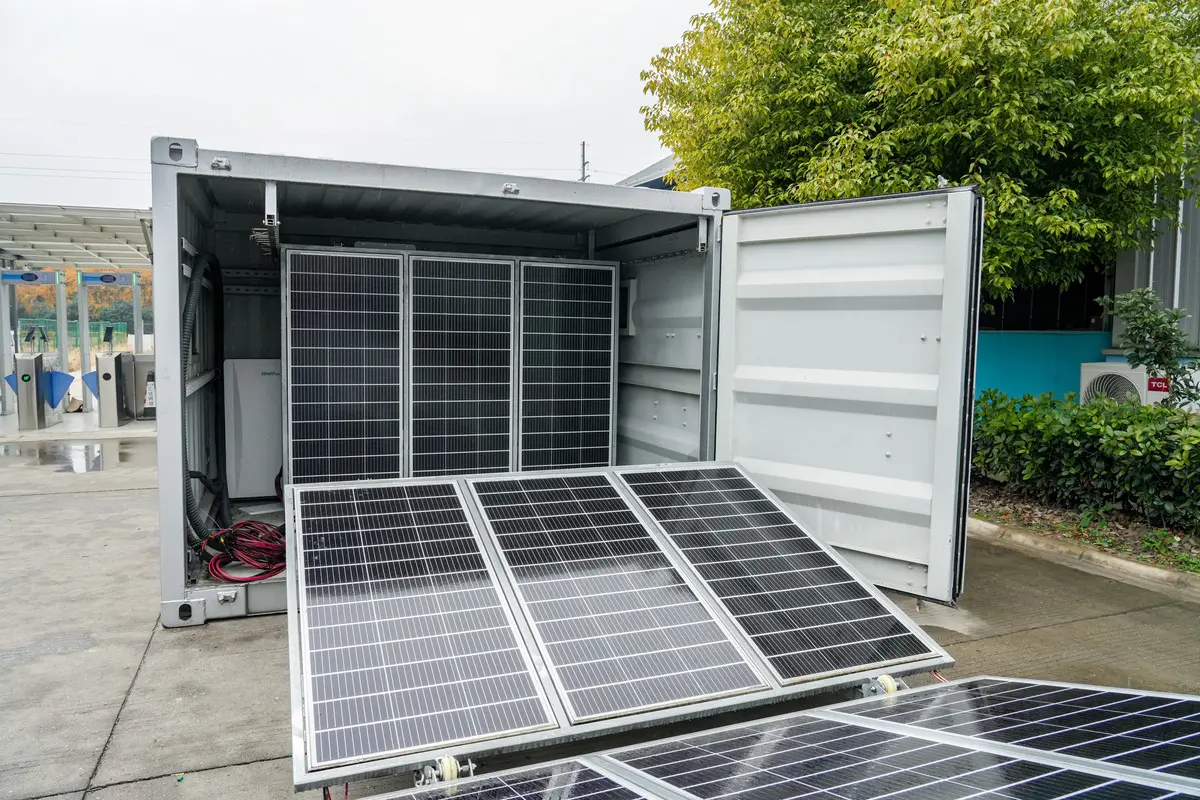
Individual solar power systems are revolutionizing the energy sector. They allow one to enjoy energy freedom.
Such systems do not need any connection to the conventional power supply grid network. Therefore, they are ideal for regions far away from the electricity supply network.
Many individuals and firms are now attracted to such systems because they ensure access to an unlimited amount of energy.
With technological advancement, the efficiency of these devices has increased tremendously. Furthermore, they have become quite affordable.
This article will examine the several merits associated with individual solar power systems. Learn how these systems could be part of your future energy needs.
What Is a Stand Alone Solar Power System?
An individual solar power system is a standalone device that is independent of the primary electricity network. It harnesses energy from solar panels and stores it for use when required.
As opposed to conventional energy sources, these systems are independent and self-reliant. In other words, they are dependent on a few components which work synergistically.
The critical components of a stand-alone solar power system include:
- Solar panels that absorb sunlight
- Battery system to conserve energy
- Energy inverter that converts stored energy
- Charge controller to regulate the energy supply process
These systems allow consumers to produce their own energy. Hence, they reduce energy dependence on non-renewable sources and minimize negative environmental impacts.
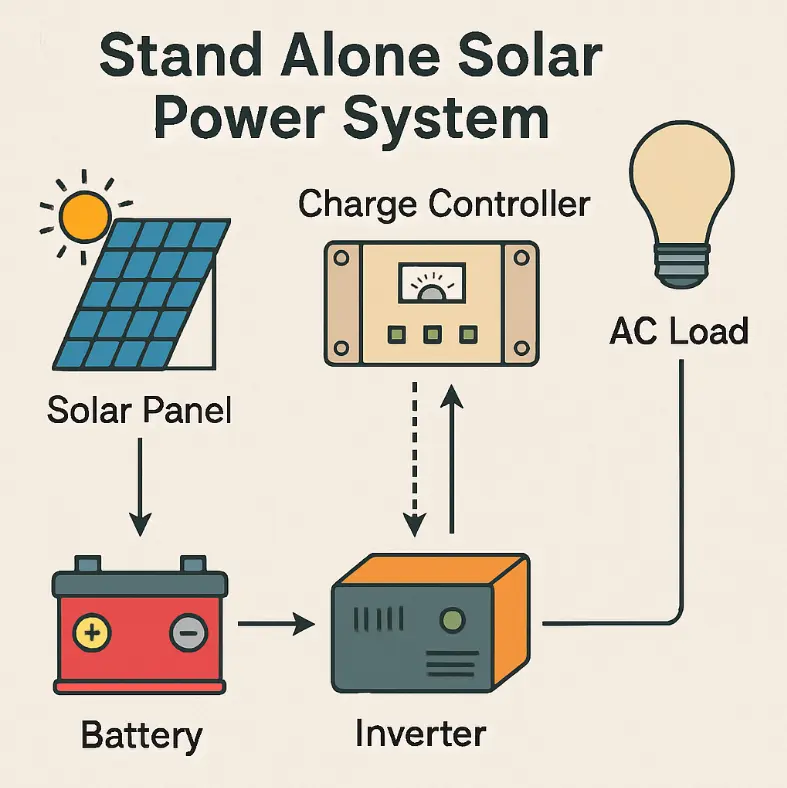
Components of a Stand Alone Solar Power System
There are numerous components of a stand alone solar power system. Each component is critical to the effective and efficient functioning of the system. They include:
- Solar panels, which collect sunlight and convert it to energy
- Batteries, which serve as an energy storage facility and hold energy for later use
- An inverter, which changes DC to AC to allow it to be used by appliances
- A charge controller, which regulates the amount of electricity delivered to the batteries, preventing overcharging
- Monitoring systems
For effective running, it is advisable to maintain each component well.
Benefits of Stand Alone Solar Power Systems
There are multiple benefits offered by a stand alone solar power system. They make it a viable option not only for individuals but also for businesses and industries. Among these benefits, energy independence ranks highly. It means that you do not rely on the utility company for power. This is particularly important in case of remote locations, where accessing grid power is either challenging or impossible.
Another benefit is energy security. In the event of blackouts and other natural disasters, a stand alone solar power system continues to function effectively. As a result, it provides uninterrupted energy for essential appliances and other devices.
Another benefit relates to environmental protection. With a stand-alone system, one contributes to reducing the carbon footprint significantly. This is because you no longer depend on fossil fuels to produce energy.
Stand alone solar power systems also have customization potential. Users can determine the scale of energy production according to their needs and budgets. As such, there is flexibility.
Last but not least, the system offers long term financial advantages. Initial costs may seem steep, but they offer great value in the form of energy bill reduction in the future.
The main benefits are:
- Energy independence
- Reliability in case of outages
- Environmental protection
- Cost-efficiency
Comparison of Stand Alone and Grid-Tied Solar Power Systems
Knowledge of the differences between stand alone and grid-tied solar power systems is necessary when making decisions. Stand alone systems function independent of the main power grid system, hence offering complete energy independence. On the other hand, grid-tied systems work alongside the conventional electricity grid. Therefore, users get access to solar and grid power sources.
Initial costs may be lower in grid-tied systems since less money is required to install them. Besides, there is an opportunity to earn extra money through selling any excess power back to the grid. However, grid-tied systems cannot generate energy independently of the main grid in times of disruption.
The major advantage of stand alone systems is their energy independence and self-sufficiency. High initial investment is a drawback but is balanced by cost savings and reliability in the long run.
Comparison summary:
| Feature | Stand Alone Solar System | Grid-Tied Solar System |
|---|---|---|
| Energy Independence | Full independence from the grid | Dependent on the utility grid |
| Grid Reliance | No grid connection required | Requires connection to the grid |
| Initial Cost | Higher upfront investment | Lower initial installation cost |
| Power During Outages | Continues to operate without interruption | Shuts down during grid outages |
Best Applications and Uses
Stand alone systems are suitable for remote areas that have no or limited grid access. They enable individuals in such regions to produce sufficient energy independently of grid failure. The best part about using this type of system is enjoying reliable energy in isolated areas.
Stand alone systems are ideal for people who wish to live sustainably in terms of energy consumption. For instance, such systems allow people to generate enough power for cabins or remote facilities.
Potential uses of stand alone systems may include:
- Cabin and vacation houses
- Remote community centers
- Rural agricultural facilities
- Emergency backup power generation
Cost Considerations and Long-Term Savings
Although initially, costs may appear high, the amount paid during installation of a stand alone solar power system could be offset through energy savings in the coming years. The absence of a monthly utility payment enables users to recover their investment in such projects. Moreover, savings in energy costs are likely to be considerable in the long term, thus enhancing the cost-effectiveness of the solar system. Governments' support through rebates and incentives further lowers the initial outlay and maintenance expenses associated with stand-alone solar power systems. The longevity of such systems exceeds 25 years, provided they are maintained correctly.
Things to Consider Include:
- The initial installation cost
- Incentives from governments to promote renewable energy use
- Future savings in energy costs
- Replacement costs
A stand-alone solar power system is a good option despite the initial cost.
Tips for Selecting and Maintenance of a Stand Alone Solar Power System
The selection of a stand alone solar power system calls for meticulousness. The energy requirements of an individual and their future growth must be considered. Compatibility among the various components used in the solar energy system should be evaluated.
Regular maintenance improves the performance of the components used. Solar panels must be cleaned regularly to enhance the performance of the system. Batteries are also critical since they store energy produced by solar cells. Their effectiveness and efficiency should be monitored constantly.
Some Tips to Consider Are:
- Energy requirements and future growth
- Components that suit the prevailing conditions
- Regular cleaning and inspection of solar panels
- Performance monitoring
Conclusion: Will a Stand Alone Solar Power System Work for You?
A stand alone solar power system offers several advantages. It provides energy independence from the national grid and reduces an individual's carbon footprint. However, such energy systems are suitable for certain applications, including remote places, energy independence, and others.