
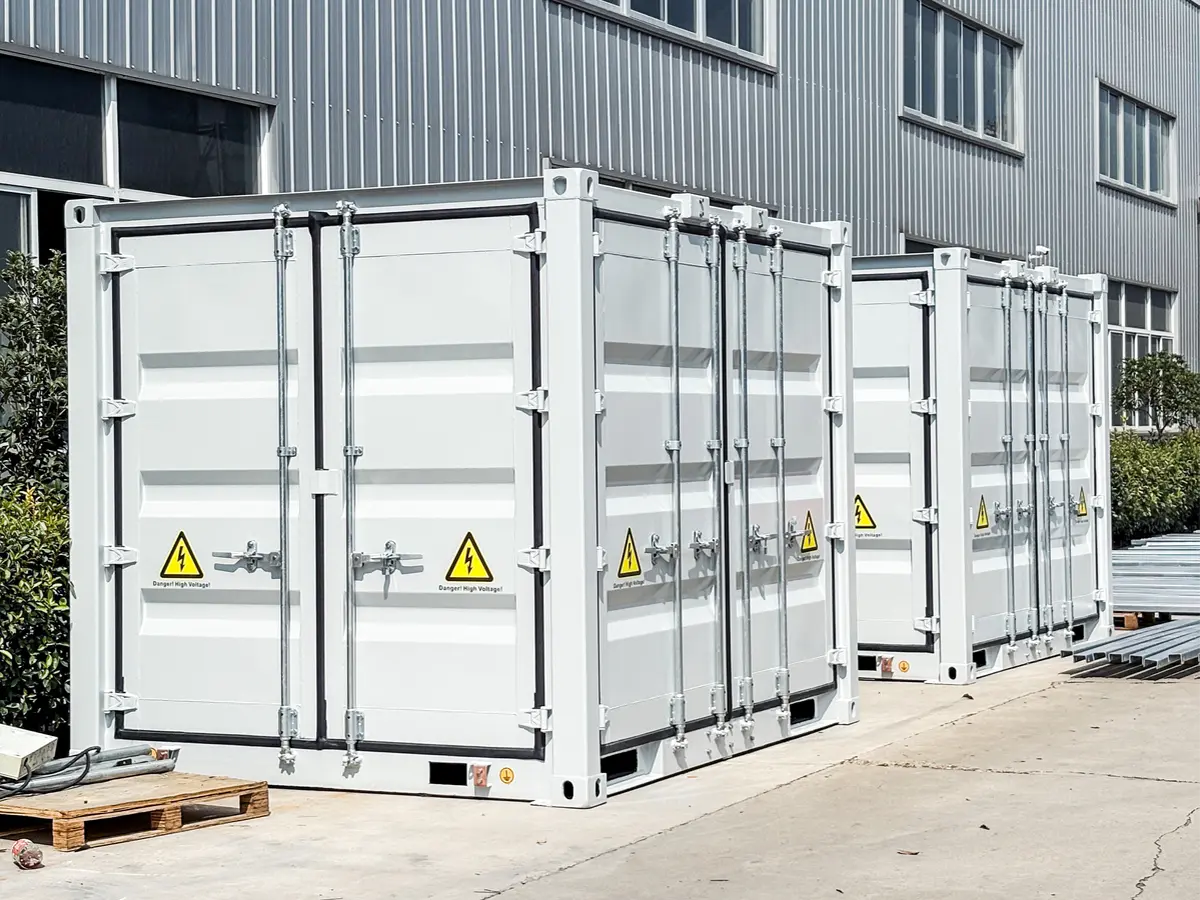
A solar power station in a shipping container is essentially a self-contained, mobile solar system installed inside a standard-sized container. Inside this container, you will find solar panels, inverters, batteries, and control equipment to generate, store, and supply power to where it is needed. In other words, it is a plug-and-play solar system that can be moved anywhere and can be used for either short-term or long-term power needs.
How it Works
It is quite simple, really. There are solar panels installed outside or on top of the container. These panels harness the power of the sun. The power generated is converted to alternating current using inverters. There is a battery installed to supply power at a later time. It helps stabilize the supply of power even without sunlight.
Advantages of Solar Power Station Shipping Containers
- Mobility: Unlike traditional solar farms, solar containers can be transported to remote areas or disaster zones.
- Scalability: Multiple containers can be connected together to increase power supply. For example, five containers can be connected to supply 500 kW of power.
- Faster Setup Time: Containers have pre-installed equipment, making it easier to set up in a matter of days instead of weeks.
- Durability: Containers can withstand harsh weather conditions, including extreme temperatures and high wind. They can be installed in remote areas where there is no grid power.
- Cost Efficiency: Building a traditional solar farm can be costly. Using mobile containers can help reduce costs significantly.
Typical Applications
- Emergency Power Supply: Disaster relief operations in areas where the main grid is down.
- Construction Sites: Temporary power requirements for construction equipment, offices, and living accommodations.
- Remote Communities: Communities located far from the main grid, such as villages or mining camps.
- Military Operations: Reliable power supply in the field.
Example Specifications Table
| Component | Specification |
|---|---|
| Solar Panels | 40 ft² monocrystalline panels, 350 W each |
| Battery Storage | 500 kWh LiFePO4 battery |
| Inverter | 250 kW hybrid inverter |
| Container Size | Standard 20 ft ISO container |
| Output Voltage | 400 V AC, three-phase |
| Operational Lifetime | 20–25 years (panels), 10–15 years (batteries) |
Key Considerations
Though these are convenient, there are a few things to consider:
- Transportation Logistics: While it is mobile, there are certain logistics to consider when transporting it.
- Maintenance: Regular maintenance of the battery, inverter, and solar panels is required to ensure maximum efficiency.
- Energy Management: Overloading the container can reduce the lifespan, so an efficient energy management system must be implemented.
In my experience, one of the challenges I've faced when working with mobile solar units is ensuring the battery size is appropriate. If the battery size is too small, the container will run out of power too frequently, while a battery size that is too large can become unnecessarily expensive.
Case Study
In 2023, a humanitarian organization installed three 20 ft solar power station shipping containers to supply 100 kW of power to flood-affected areas in Southeast Asia. This reduced diesel generator usage by 70%.
Industry Trends
The use of solar power station shipping containers has seen a steady increase, especially in:
- Off-grid industrial projects
- Renewable energy microgrids
- Disaster response and humanitarian missions
Innovations in battery technology, such as LiFePO4, are also contributing to the increased use and efficiency of solar power station shipping containers, ensuring they last longer and perform optimally.
Conclusion
The solar power station shipping container is a powerful and eco-friendly source of renewable energy, especially in areas affected by natural calamities or in industrial projects requiring temporary and off-grid power supply. As technology continues to advance, we can expect solar power station shipping containers to play a vital role in renewable energy production and supply around the globe.