
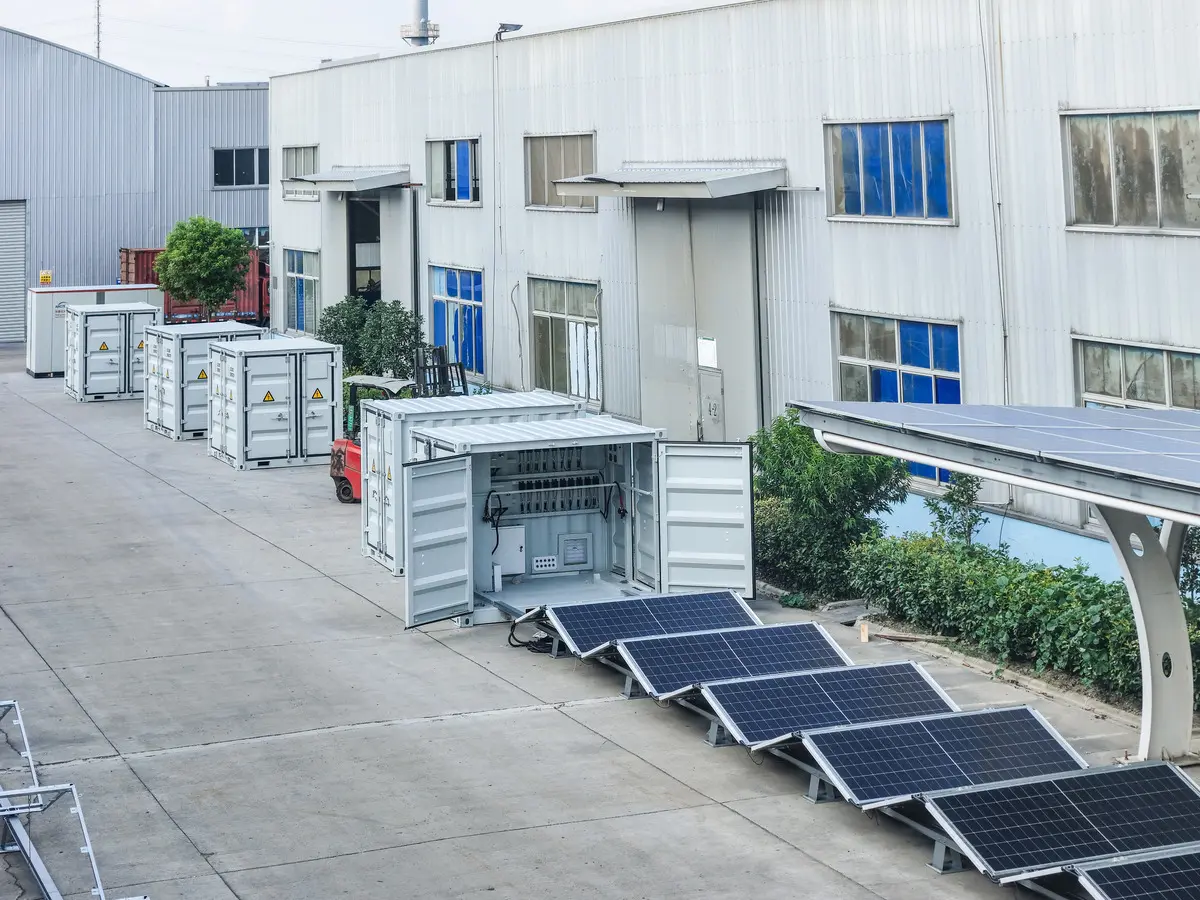
A complete solar system for off-grid power combines solar panels, batteries, an inverter, charge control, protection equipment, and mounting structures into one independent power supply. Unlike a grid-connected system, it does not rely on utility electricity. Solar energy powers the loads during the day, while the battery stores excess energy for nighttime and periods of low solar production.
For remote homes, farms, construction sites, telecom stations, emergency facilities, and temporary projects, this setup can provide reliable electricity where extending the utility grid is difficult or too expensive.
What Is a Complete Off-Grid Solar System?
A complete off-grid solar system is more than a group of solar panels. It is an integrated power system designed to generate, store, convert, and distribute electricity without a utility connection.
The U.S. Department of Energy identifies the typical components of an off-grid AC PV system as PV modules, batteries, a controller, and an inverter.
A practical system normally includes:
- Solar panels to convert sunlight into DC electricity
- Solar charge controller to regulate battery charging
- Battery storage to store electricity for later use
- Off-grid inverter to convert DC power into AC power
- Mounting structures to secure the PV modules
- DC and AC distribution equipment for safe power delivery
- Protection devices such as breakers, fuses, disconnects, and surge protection
- Energy management and monitoring to track system performance
The exact configuration depends on the load, local solar resource, required backup time, and installation environment.
How Does an Off-Grid Solar System Work?
The basic process is straightforward.
During the day, solar panels generate electricity from sunlight. Part of that electricity can be supplied directly to the loads. When solar production is higher than demand, the surplus charges the battery.
At night or during cloudy weather, the battery supplies stored energy through the inverter. The inverter converts DC electricity from the battery into AC electricity for conventional equipment.
This makes battery capacity particularly important. Solar panels determine how much energy the system can generate, while the battery determines how much energy can be saved and used later.
The Department of Energy notes that energy storage allows solar-generated electricity to be used at times different from when it was produced, helping balance supply and demand.
How Do You Size a Complete Off-Grid Solar System?
Sizing should start with the loads rather than the solar panels.
First, calculate the daily energy consumption of the equipment:
Daily energy use = Power × Operating hours
For example, if a remote site uses equipment with a combined average load of 5 kW for 8 hours per day, its daily consumption is approximately 40 kWh.
The system designer then needs to consider:
- Daily energy consumption
- Peak power demand
- Local peak sun hours
- Required battery backup time
- Battery depth of discharge
- Inverter efficiency
- System losses
- Seasonal changes in solar production
A common mistake is sizing the system according to average electricity consumption alone. High starting currents from pumps, compressors, motors, or other equipment can require a much larger inverter even when their daily energy consumption is relatively low.
For critical applications, I would also avoid designing the battery around a perfect sunny day. A system that works beautifully in summer may struggle after several cloudy days. Some additional battery capacity or backup generation can make a significant difference.
Why Battery Storage Matters
Solar power is naturally variable. Clouds, rain, dust, shading, seasonal changes, and the time of day can all affect PV output.
That is why a reliable off-grid system needs energy storage.
Lithium iron phosphate, or LiFePO4, batteries are increasingly attractive for modern off-grid systems because of their long cycle life, good thermal characteristics, and high usable energy capacity.
Battery capacity is usually expressed in kWh, while inverter power is expressed in kW. These are not interchangeable.
For example, a 100 kWh battery can theoretically store 100 kWh of energy, while a 30 kW inverter determines how much AC power can be delivered at a given moment.
Where Are Complete Off-Grid Solar Systems Used?
Off-grid solar systems are useful wherever conventional grid electricity is unavailable, unreliable, or difficult to extend.
Typical applications include:
- Remote homes and cabins
- Farms and agricultural facilities
- Construction sites
- Mining and industrial sites
- Telecom base stations
- Emergency communication facilities
- Remote monitoring stations
- Disaster relief operations
- Temporary power projects
- Remote military or field facilities
For these applications, portability can be just as important as power capacity.
Moving Beyond Conventional Installations
Traditional off-grid solar systems are often installed permanently. Solar panels are mounted on the ground or roof, batteries are placed in an equipment room or cabinet, and the inverter and electrical equipment are installed separately.
That approach works well for permanent sites, but temporary or frequently relocated projects need something more flexible.
This is where a solar container becomes interesting.
LZY Energy integrates the major components of an off-grid power system into a mobile solar container. Instead of transporting individual panels, batteries, inverters, and electrical equipment separately, the system can be designed as an integrated unit.
A mobile folding solar container takes the concept a step further. The photovoltaic panels can be folded or deployed around the container, while the energy storage and power conversion equipment remain integrated into the main structure.
The result is a compact power station that can be transported to a new location, deployed when needed, and moved again when the project is finished.
Why Choose a Mobile Solar Container?
A mobile solar container can offer several practical advantages:
- Fast deployment compared with building a complete site from scratch
- Integrated design for easier transportation and installation
- Built-in energy storage for day-and-night operation
- Reduced site preparation requirements
- Flexible relocation for temporary projects
- Scalable power capacity for different applications
- Off-grid operation without depending on utility infrastructure
For construction projects, emergency response, remote industrial operations, and temporary power needs, mobility can be a major advantage.
The U.S. Department of Energy has also highlighted the role of PV and battery storage in resilient power systems, particularly where local generation and storage can maintain electricity services during disruptions.
A complete solar system for off-grid power needs to do three things well: generate enough electricity, store enough energy, and deliver stable power to the loads.
For a permanent home or remote facility, a conventional PV and battery installation may be the best choice. But when power needs to be deployed quickly and moved between locations, an integrated solar container can offer a much more practical solution.
With its mobile folding solar container technology, LZY Energy combines photovoltaic generation, battery storage, power conversion, and electrical equipment into a transportable off-grid power system. It is essentially a complete solar power station that can travel with the project instead of waiting for the grid to arrive.